
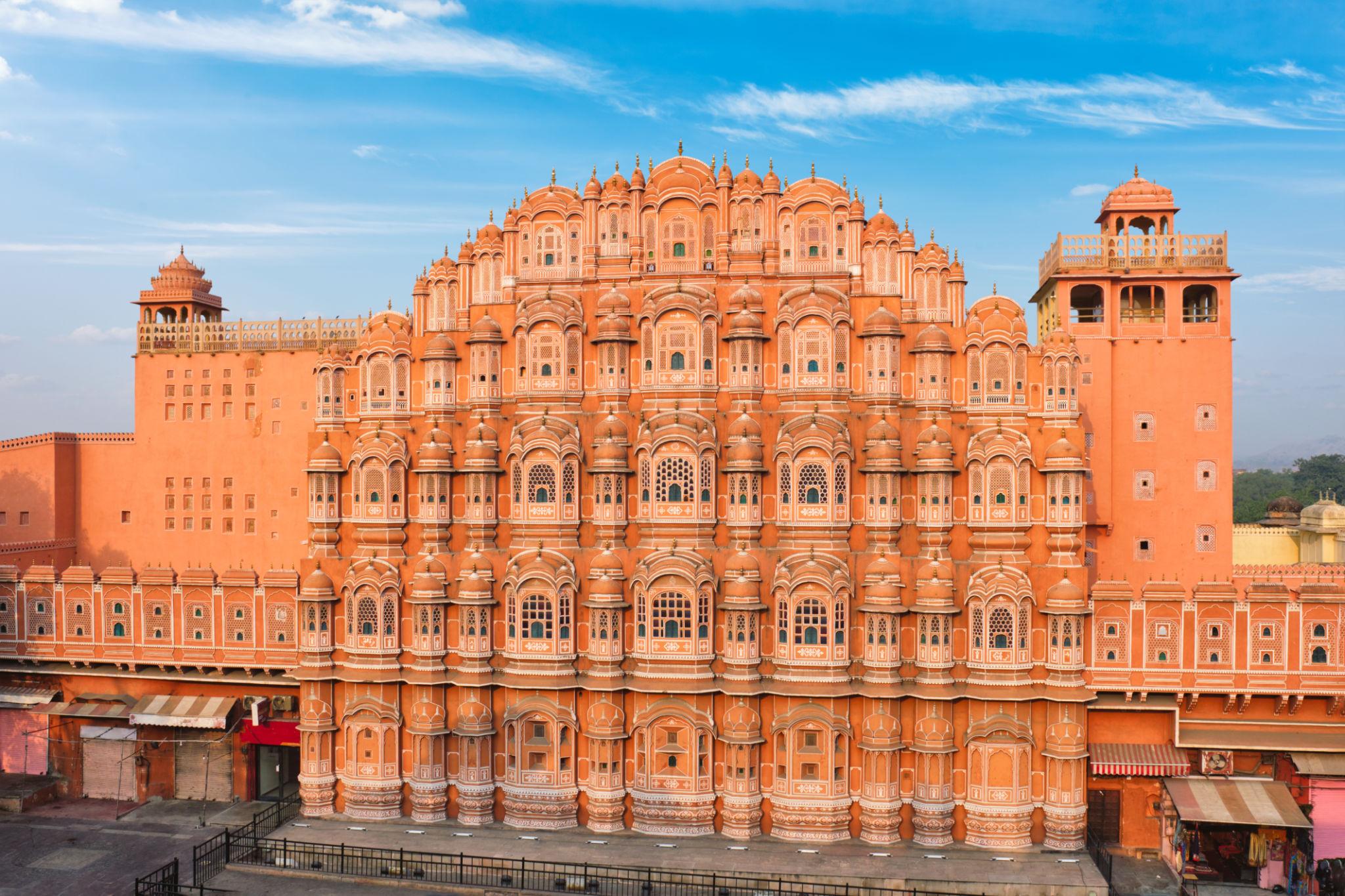
The People Who Understand Jaipur Early Usually Don’t Talk About It
Not everything valuable is obvious at first
Most cities announce their growth loudly.
Big headlines. Big claims. Big promises.
Jaipur didn’t do that.
It grew quietly.
And that is exactly why many people didn’t notice what was happening-until much later.
There are always two types of observers
The first type looks at a city and sees what it has always been.
The second type looks at the same city and asks:
“What is this place becoming?”
That single difference changes everything.
Jaipur on the surface

At first glance, Jaipur appears familiar:
- Historic monuments
- Busy markets
- Tourism
It feels complete. Almost unchanged.
And that’s where most people stop looking.
When you stay a little longer
Spend more time here and patterns start to shift.
You begin to notice things that are not immediately visible:
- New areas expanding in very specific directions
- A different kind of buyer quietly entering the market
- Conversations that are less about tourism and more about positioning
This is where surface perception ends-and real understanding begins.The invisible layer most people miss


Every city has two layers:
The visible layer:
What everyone sees.
The invisible layer:
Where decisions are actually being made.
In Jaipur’s invisible layer:
- Land is being evaluated differently
- Locations are being seen long-term, not short-term
- Certain sectors are quietly expanding faster than expected
And none of this is loudly advertised.
The global connection that rarely gets attention


There is a reason Jaipur appears in international trade conversations.
It is deeply connected to the global gemstone and jewelry market.
Not as a participant.
As a backbone.
Products move from here to markets across continents.
And when a city is part of global supply chains, its growth is never random.
It is structured. Layered. Long-term.
The wedding economy is not what it seems


People often describe Jaipur as a “wedding destination.”
That description is incomplete.
What’s actually happening is larger:
- Entire ecosystems operate behind each event
- Infrastructure evolves around demand
- Service industries scale rapidly
And over time, this creates something deeper than events.
It creates sustained economic activity.
People keep returning
There’s a pattern that repeats itself quietly.
Someone visits Jaipur for:
- A short trip
- A wedding
- A business meeting
They leave.
But something stays with them.
They return again.
And then again.
Not because they planned to.
Because something here doesn’t fully reveal itself in one visit.
Timing is rarely obvious in real life
Most people think timing is about “early” or “late.”
In reality, timing is about recognition.
Some recognize shifts when they begin.
Some recognize them when they are obvious.
Some never recognize them at all.
Jaipur is currently in a phase where:
- The shift is visible
- But not fully understood
That space is where attention naturally increases.
The difference between information and clarity
Anyone can search data.
Prices. Growth. Opportunities.
But data does not create clarity.
Clarity comes from:
- Understanding patterns
- Knowing what matters and what doesn’t
- Seeing how different pieces connect
That kind of clarity usually comes from proximity, not just information.
Why this matters more than it seems
Because decisions are rarely made from information alone.
They are made when something “clicks.”
A moment where things start to make sense.
For some people, that moment comes while reading.
For others, it comes through conversation.
Jaipur is not trying to prove anything.
It is simply evolving.
And like most places that evolve quietly, it becomes clear only to those who look beyond the obvious.